5 Buy Euro Counterfeit Money Projects For Any Budget


Navigating the Shadows: The Risks and Realities of Buying Euro Counterfeit Money
In a significantly digital world, where monetary transactions take place with a click of a button, the attraction of counterfeit currency has continued. Amongst the currencies that draw in counterfeiters, the Euro sticks out due to its extensive usage across numerous European countries. This article checks out the dirty waters of buying counterfeit Euro money, the inspirations behind it, the threats involved, and the legal consequences of engaging in such activities.
Comprehending Counterfeit Currency
Counterfeit currency describes fake banknotes or coins produced with the intent to trick and used as if they were legal tender. The Euro, as the main currency of 19 of the 27 European Union nations, is incredibly complicated, integrating innovative security functions that make counterfeiting difficult. However, the high need for Euros and the sheer variety of banknotes in flow create chances for counterfeiters to make use of.
Why People Consider Buying Counterfeit Euros
There are a variety of reasons that people might be lured to purchase counterfeit money, consisting of:
- Financial Gain: Some think they can make money from utilizing counterfeit money, whether to buy goods at a lower rate or to resell counterfeit products for real money.
- Privacy: The relative anonymity of online deals might entice individuals, making them feel shielded from legal repercussions.
- Desperation: In times of monetary difficulty, some may view counterfeit currency as a fast repair for their monetary woes.
- Curiosity and Pranks: A little number may be encouraged by novelty, interest, or the intention to prank good friends or member of the family.
The Risks of Buying Counterfeit Euro Money
While the idea of purchasing counterfeit Euro money might seem luring, the reality is laden with substantial dangers. Some of the most pressing threats consist of:
1. Legal Ramifications
Counterfeiting is prohibited in the majority of jurisdictions, including all European Union member states. Engaging in counterfeiting activities can result in severe punishments, consisting of large fines and jail time. According to EU law, the penalties for producing or distributing counterfeit currency can differ by country but frequently consist of major criminal charges.
2. Financial Losses
Buying counterfeit money is a gamble. There is no warranty that the currency will be accepted, and if found, the buyer could lose both their financial investment and face legal effects. Additionally, counterfeit banknotes can be tough to identify, leading to financial losses when trying to utilize them.
3. Ethical Implications
Using counterfeit currency weakens the integrity of the monetary system. It affects genuine companies, consumers, and the total economy. The costs connected with counterfeiting are often passed onto customers, driving prices up and deteriorating trust in financial systems.
4. Online Scams
Numerous people thinking about counterfeit currencies typically turn to the internet to find sellers. However, numerous rip-offs target unsuspecting buyers. These frauds may involve fraudulent websites or people presenting as legitimate sellers, leading to a loss of money without getting any product.
Key Considerations for Individuals
For anyone considering the purchase of counterfeit Euro money, numerous considerations ought to be taken into consideration:
- Research: Understanding the legal implications and the risks related to counterfeiting can supply clearness on the gravity of the circumstance.
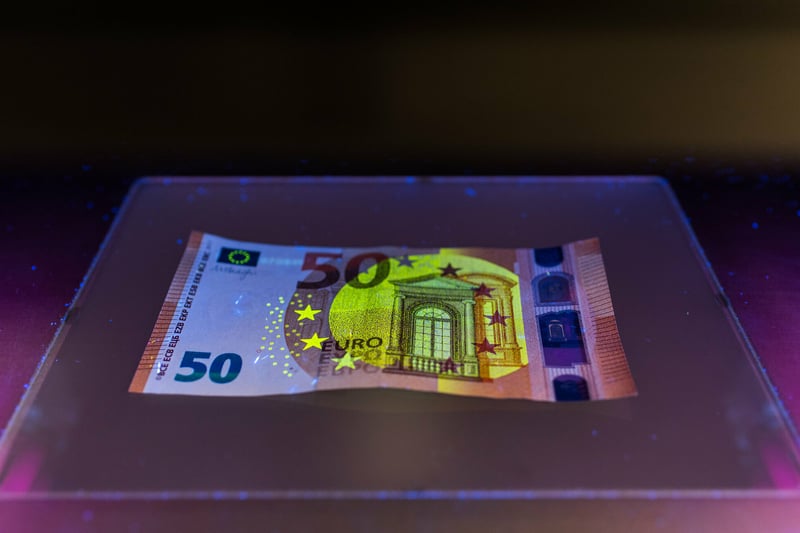
- Understand Security Features: Genuine Euro banknotes come geared up with sophisticated security functions suggested to make counterfeiting extremely difficult. Familiarity with these functions can assist in recognizing counterfeit notes if they enter into one's belongings.
- Look For Legal Avenues: Instead of turning to prohibited activities, people facing monetary concerns ought to check out legal options such as individual budgeting, loans, or neighborhood help programs.
Common Frequently Asked Questions (FAQs)
1. What are the legal repercussions of utilizing counterfeit money?
Utilizing counterfeit money can result in criminal charges, including fines and imprisonment. The intensity depends on the amount included and the jurisdiction.
2. How can I determine counterfeit Euro notes?
Real Euro banknotes have a number of security functions, including watermarks, security threads, microprinting, and color-changing ink. Consulting the main European Central Bank resources can supply assistance on recognizing real banknotes.
3. Can I unconsciously receive counterfeit currency?
Yes, it is possible to receive counterfeit notes without understanding it. It is vital to check banknotes carefully, specifically when withdrawing money or making purchases in locations where counterfeit money may circulate.
4. What should I do if I suspect I have received counterfeit money?
If you believe you have gotten counterfeit currency, avoid attempting to use it. Legal Falschgeld Kaufen to regional police or your bank, who can effectively handle the matter.
The desire to buy counterfeit Euro money is typically driven by financial desperation, interest, or the attraction of quick gains. Nevertheless, the legal, monetary, and ethical ramifications of such actions render it a risky endeavor. Rather of risking serious penalties, people facing monetary difficulties are urged to look for alternative solutions through legal channels. Comprehending the complexities of counterfeit currency and acknowledging the associated risks is important for making notified decisions. Eventually, the world of counterfeit money is one best avoided, as the repercussions can have long lasting implications on an individual's life and wellbeing.